












Mexico City
Mexico City
We have the perfect trip for you

Ciudad de México - Dynamic
Discover Mexico City
Life in Mexico City (also known as Mexico D.F. or CDMX) is endless, with days that seem to stretch beyond 24 hours, making it an incredibly enticing destination. This sprawling, densely populated metropolis, with its mild climate, offers endless opportunities for daily adventures, no matter your plans or the time of day you choose to start.
Mexico City has a population nearing 10 million, but when the entire metropolitan area of the Valley of Mexico is included, the number rises to 22 million, making it the largest urban agglomeration in the Americas, the largest in the Spanish-speaking world, and the eighth largest globally.
From early morning, the city pulses with life as it is the financial hub of the country. Long before sunrise, it's normal to see executives in suits filling the streets on their way to work. The sheer number of people ensures that early risers and night owls easily cross paths. CDMX has something for everyone. You may know how your day will begin, but how or where it will end is always a surprise.
Mexico City offers an unparalleled cultural scene, both in terms of value and variety. Significantly, the city has 170 museums and dozens of art galleries. However, the cultural experience extends beyond these institutions, encompassing street-level attractions, parks, monuments, and a vast underground archaeological wealth. Many remnants of the great Tenochtitlan from the pre-Columbian era can still be visited.
To complete any daily itinerary in Mexico City, don't forget its rich culinary and entertainment offerings,
all set against a temperate climate with maximum temperatures often reaching 28 degrees Celsius and winter nights that can drop to 0 degrees on some occasions. Before visiting this cosmopolitan giant, keep in mind that the traditional rainy season runs from June to August, while the driest period is from November to April. The driest time is November to April.
What to see in Mexico City?
There’s so much to see! From the modern and urban side, it’s worth checking out the bustling Mexico Stock Exchange building on Paseo de la Reforma, the most important in the Spanish-speaking world.
The National Museum of Anthropology and the Templo Mayor Museum share the artifacts that could be recovered from the crafts of the Preclassic Mesoamerican period, which dates back to 2,500 BCE. to 200 AD. Much of what was once collected was destroyed during the conquest of Mexico.
The Metropolitan Cathedral of the Assumption of the Most Blessed Virgin Mary stands in the vast Plaza de la Constitución in the heart of the capital’s historic centre. Besides the grandeur of the building itself, it’s worth stepping inside to view works by Juan de Rojas, Juan Correa, and an oil painting still attributed to Murillo.
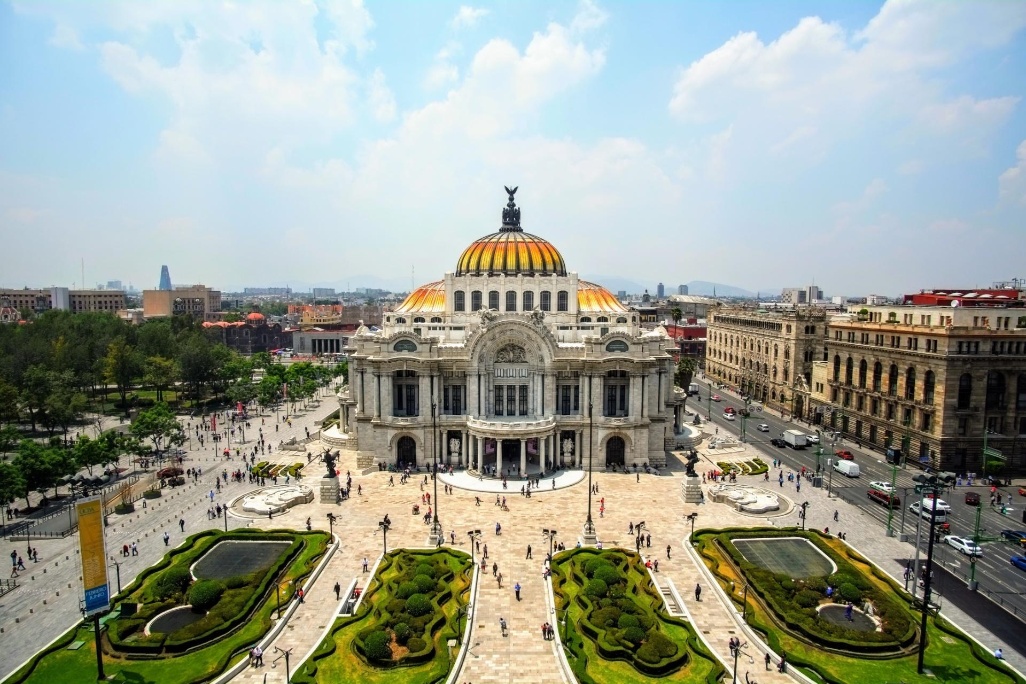
The National Palaceand the Palace of Fine Arts feature the works of Mexican Muralism, an artistic movement that developed after the Mexican Revolution.
One of the city’s most unique buildings, the Museo Suomaya – named after the wife of Mexican magnate Carlos Slim – will likely fill many of your photographs and leave you in awe upon entering. Inside, you’ll find collections that will literally take your breath away: the largest private collection of original Rodin sculptures outside Paris, Dalí sculptures, pieces by El Greco, Velázquez, and Picasso. This attraction alone is likely to take up an entire day of your visit.
No matter what, you’ll experience strong emotions and a sense of travelling back in time with any stroll through the Historic Centre.
To travel from north to south in this vast city, it’s recommended to use Avenida de los Insurgentes. . You can drive along it or use the Metrobús, a public transport system that covers much of the capital.
What to eat in Mexico City?
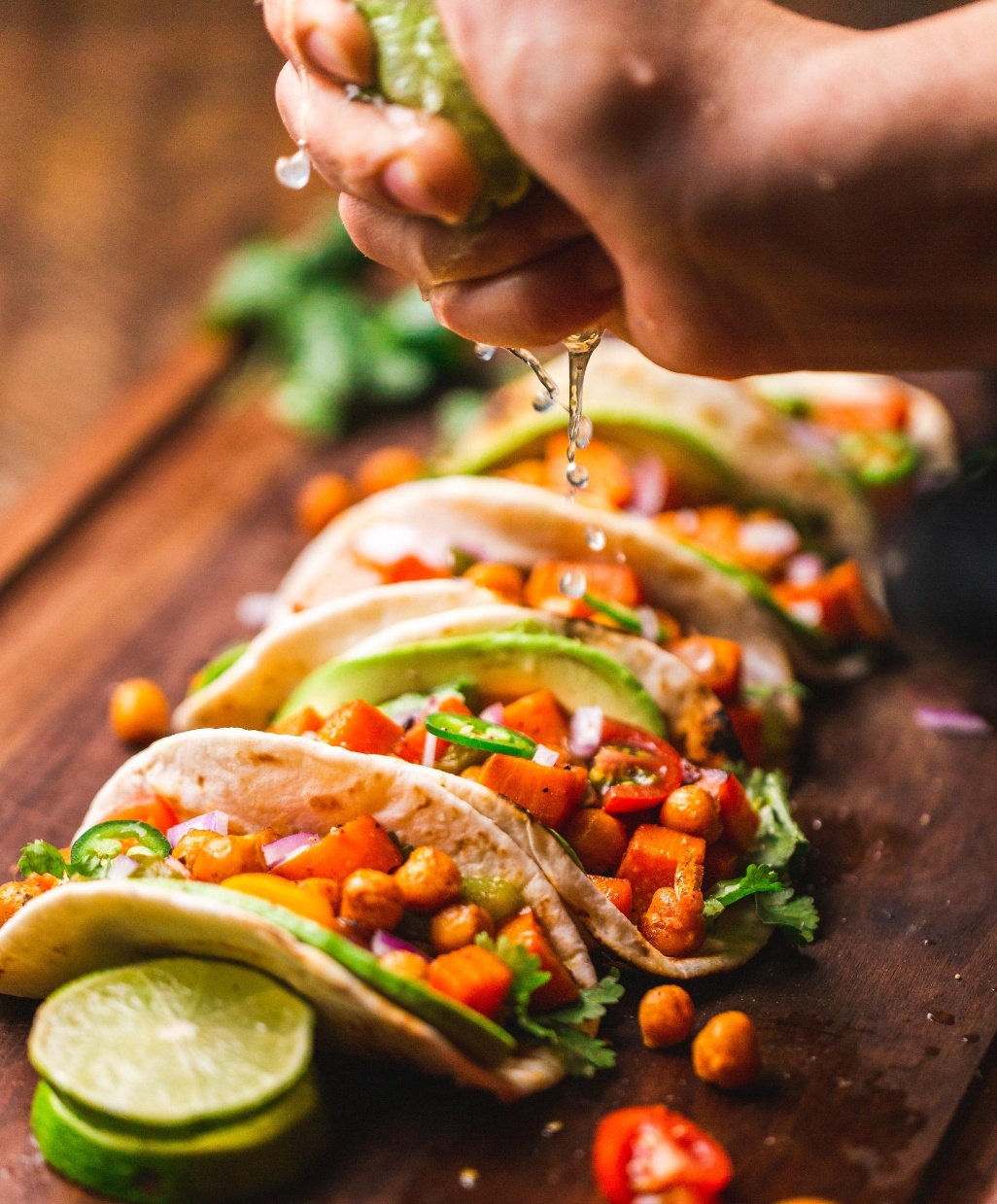
In such a large city, it’s normal to find everything you’re looking for, from areas specialising in prepared food to international fine dining restaurants, not to mention the many venues dedicated to offering Mexican cuisine.
Gastronomically speaking, Mexico City is a microcosm of the country’s culinary traditions, although many ancient ingredients have been replaced by more readily available alternatives. Still, typical Mexican antojitos such as thiacoyo (coarse blue corn tortilla filled with beans, fava beans or cottage cheese), ‘shepherd’ steak tacos or pumpkin flower quesadillas are consumed daily on the streets.
Of course, in restaurants, there is international cuisine for everyone. It’s easy to find Thai, Korean, Lebanese, Moroccan, Italian, French or Argentinean fare. And if you get a bout of nostalgia, in Mexico City you can find restaurants specialising in Castilian, Galician, Asturian or Basque cuisine.
If the dates are on your side, take note of the super popular National Mole Fair held in October in San Pedro Atocpan.
Adventure and Sport
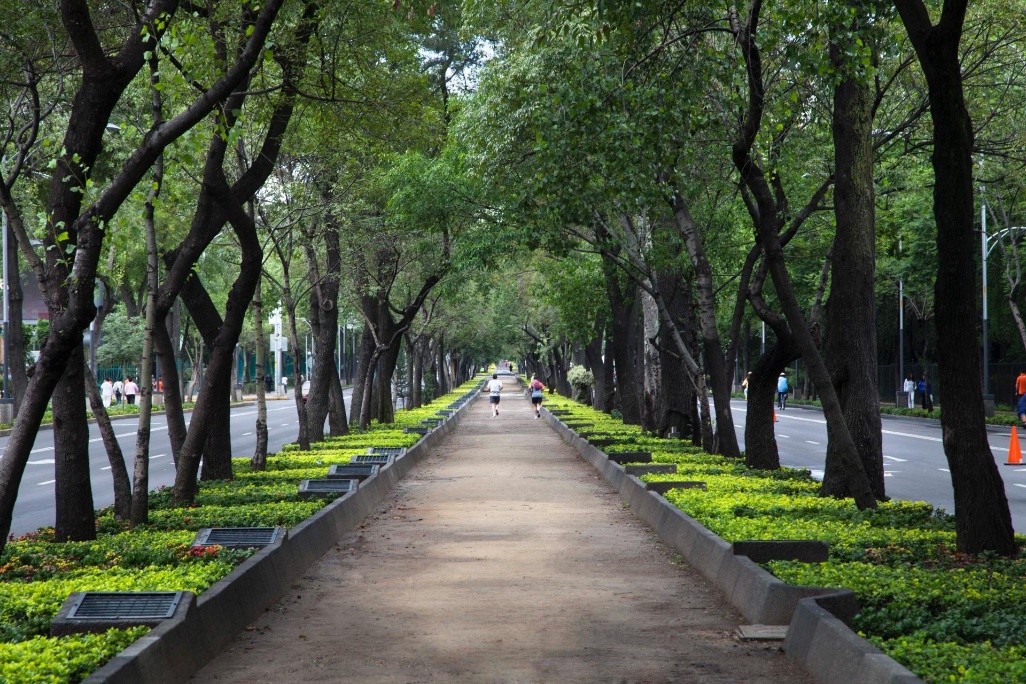
In a capital of these dimensions, adventure sports must be sought out in the surrounding area or in the gyms. However, Mexico D.F. has perfect settings for a good - and safe - bike ride or a few exhilarating kilometres of jogging. Note that you can jog in Chapultepec Forest, Paseo de la Reforma, Parque México, Tlalpan Forest or Cuemanco Canal . Green and urban areas (or combined) for the sheer delight of daily sports enthusiasts. Still, there are two factors to keep in mind. The first of these is that the city is 2,200 meters above sea level, which can affect your performance. The other is poor air quality.
Not too far from the city, in Los Perros, Las Tres Peñas and in Tepoztlán, you have the possibility of abseiling. Another trendy extreme sport is canyoning, which involves descending canyons, often with water jumps. You can do this on Tepozteco Hill.
Leisure and Culture
Perhaps you didn’t know that the largest bullring in the world is Plaza Mexico, which is offered as a leisure alternative if you are a bull-fighting lover.
Nightclubs in Mexico City are called ‘bares’ or ‘antros’, which is something you should take into account when going out at night. Bars are another highly recommended option.
Entertainment is spread out across by area, just like in almost every city. In the Zona Rosa, you may want to try all the bars, antros and restaurants. There is something for everyone. The zona pija is in Polanco and Condesa, and is full of luxury establishments. San Angel and Coyoacán boast a wide range of options.
But if you want to dance until dawn, here are the names of the most famous antros: La Santa, AM Local, Otto Bar, Patrick Miller.
We have suggested the above bars. Why? Well, because they are a good blend of food and fun. You should note in your diary Los Remedios Insurgentes, A pico y Espolón, El Refugio de las Leyendas, El Dux de Venecia, and a place where they say Pancho Villa shot at the ceiling and left a bullet embedded in it: Bar La ópera.
Sustainability
With 20 million inhabitants in a small territory, it is difficult to achieve optimal levels of sustainability. However, Mexico City was the winner of the 2020 ‘City Challenge’ organised by the World Wildlife Fund, WWF, in which city actions are valued to achieve the goals of the 2015 Paris Agreement. It is the only Ibero-American capital to receive this award to date.